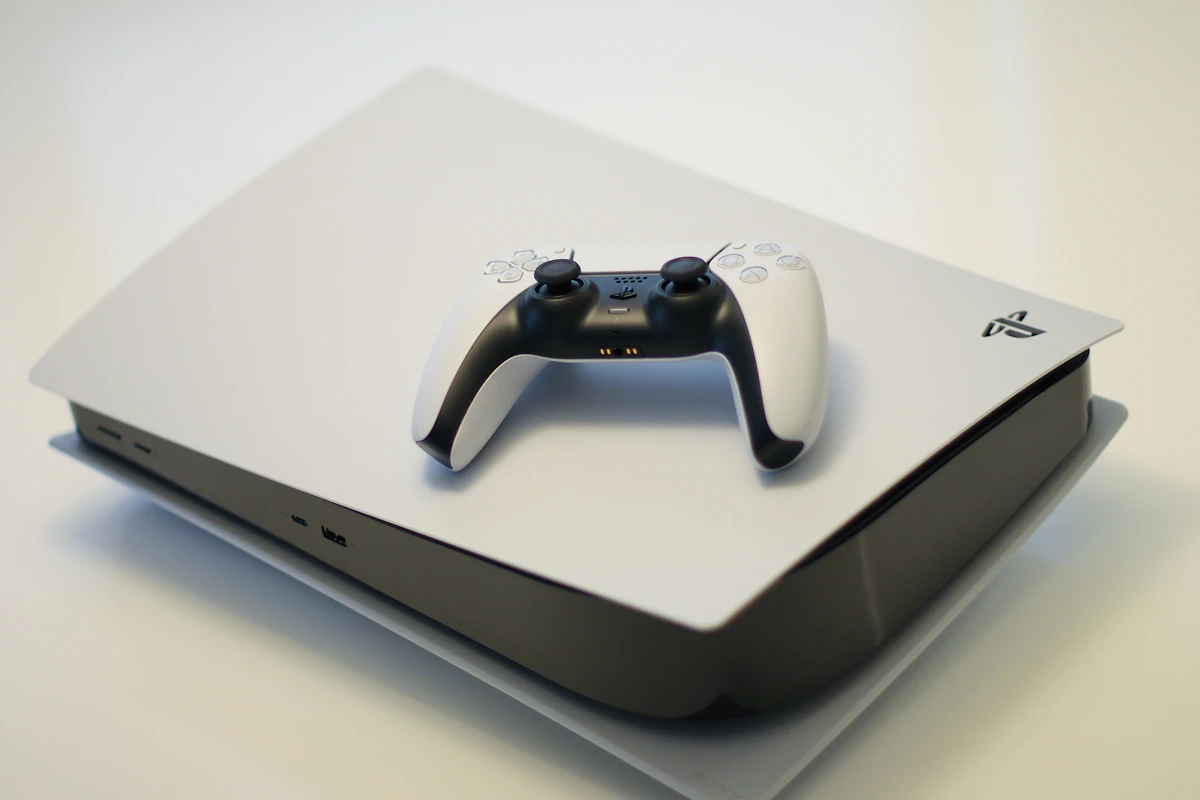
When Sony launched the PlayStation in Japan on December 3, 1994, few predicted it would reshape the entire entertainment industry. Priced at $299 in the US (where it launched in September 1995), Sony's first gaming console was an audacious bet by a company known for Walkmans and televisions, not video games.
The PlayStation arrived at a pivotal moment. Nintendo and Sega dominated gaming, but Sony brought something different: CD-ROM technology that enabled cinematic experiences, 3D graphics that felt revolutionary, and a cool factor that attracted older gamers who had outgrown cartridge-based systems.
Games like Final Fantasy VII, Metal Gear Solid, Crash Bandicoot, and Gran Turismo became cultural phenomena. The PlayStation brand went on to sell over 500 million consoles across its various generations, becoming the best-selling console brand in history.
In late 1994, gold was trading around $383 per troy ounce. Your $299 would have purchased about 0.78 ounces of the precious metal. While that PlayStation eventually ended up in a closet or landfill, those 0.78 ounces of gold have been silently appreciating for over three decades.
The PlayStation changed how we think about interactive entertainment. It proved that gaming wasn't just for kids — it was a legitimate art form and a massive business. Sony's gamble paid off in ways that can't be measured in gold. But the gold would have done pretty well too.