Nintendo took the gaming world by surprise in 2006. While Sony and Microsoft battled over processing power and graphics, Nintendo went in a completely different direction with the Wii. At $249 — significantly cheaper than the $499 PlayStation 3 — the Wii bet on something radical: motion controls.
The Wii Remote changed everything. Suddenly, grandparents were bowling in their living rooms, families were playing tennis together, and people who had never touched a video game controller were hooked. Wii Sports, bundled with the console, became the fourth best-selling video game of all time.
The Wii went on to sell over 101 million units, outselling both the PlayStation 3 and Xbox 360. It proved that innovation doesn't always mean more power — sometimes it means making technology accessible to everyone.
In November 2006, gold was trading around $627 per ounce. Your $249 would have bought about 0.40 ounces of gold. Not a huge amount, but gold has a way of growing quietly over the decades while electronics become paperweights.
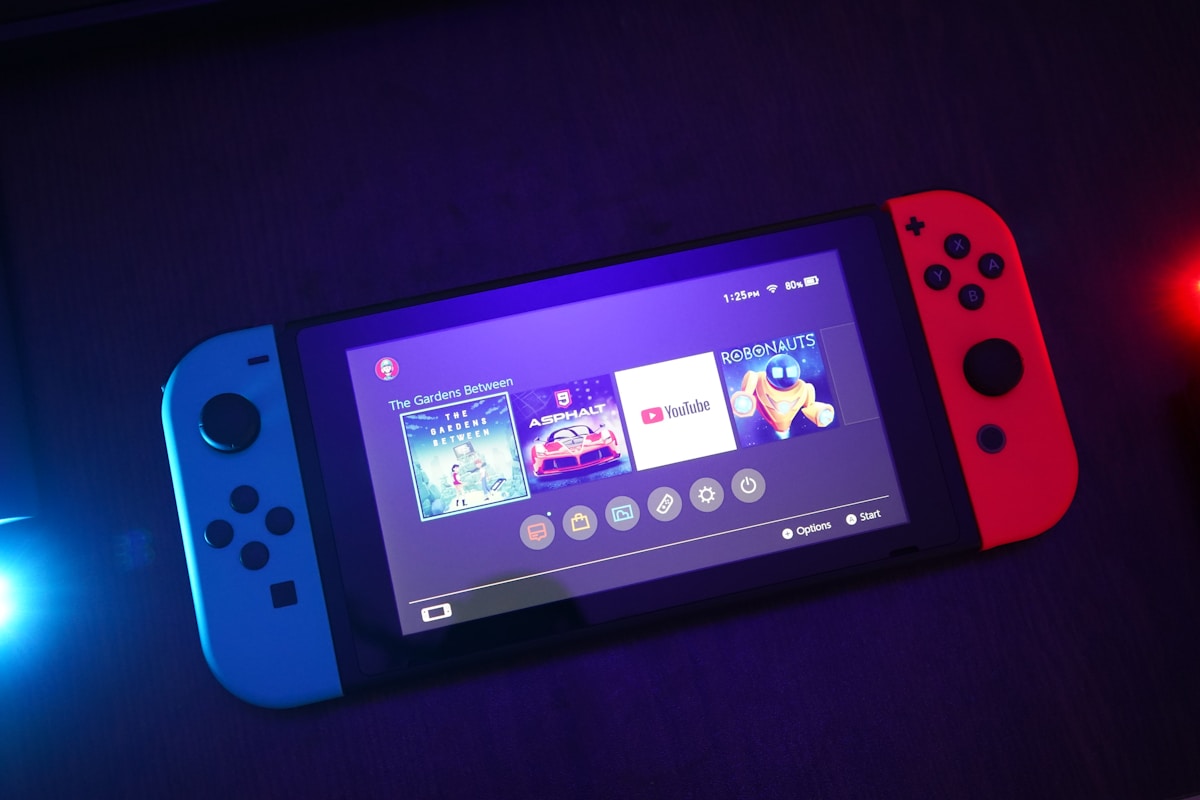
The Wii's legacy lives on in how every modern console — from the Nintendo Switch to the PlayStation VR — embraces the idea that gaming should be intuitive and physical. Nintendo proved that the best interface is one that disappears. Gold, fittingly, never needs an interface at all.