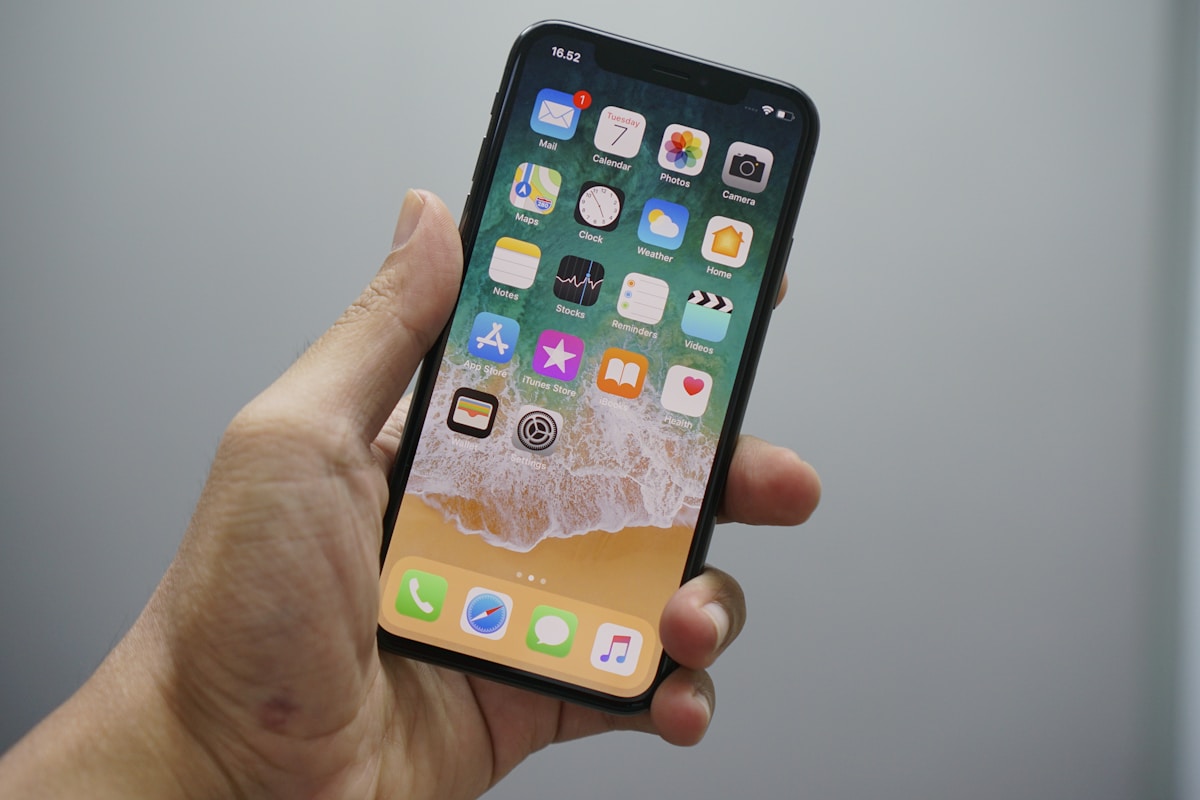
On June 29, 2007, thousands of people lined up outside Apple stores across the United States, some camping overnight, to get their hands on the most anticipated gadget in history: the original iPhone. Priced at $599 for the 8GB model, it was far from cheap — roughly equivalent to a month's car payment for many Americans.
Steve Jobs had unveiled the device just six months earlier at Macworld, calling it "a widescreen iPod with touch controls, a revolutionary mobile phone, and a breakthrough internet communications device." The audience erupted when they realized all three were the same product.
The iPhone didn't just create a new phone — it created an entirely new computing paradigm. The App Store, which launched a year later, would generate an entire economy. By 2026, the iPhone has generated over $1 trillion in cumulative revenue for Apple, and the smartphone industry it spawned is worth hundreds of billions annually.
But what if you had taken that $599 and, instead of buying the revolutionary device, walked into a gold dealer's shop? In June 2007, gold was trading around $650 per troy ounce. Your $599 would have bought you just under one ounce of gold.
That ounce of gold has appreciated steadily over the decades, surviving the 2008 financial crisis (when it surged as a safe haven), the pandemic era, and continued global uncertainty. The math tells a compelling story about gold as a store of value — even against one of the most successful consumer products ever created.
Of course, the iPhone's value wasn't just monetary. It changed how billions of people communicate, work, and experience the world. Some investments pay dividends that can't be measured in dollars or ounces.