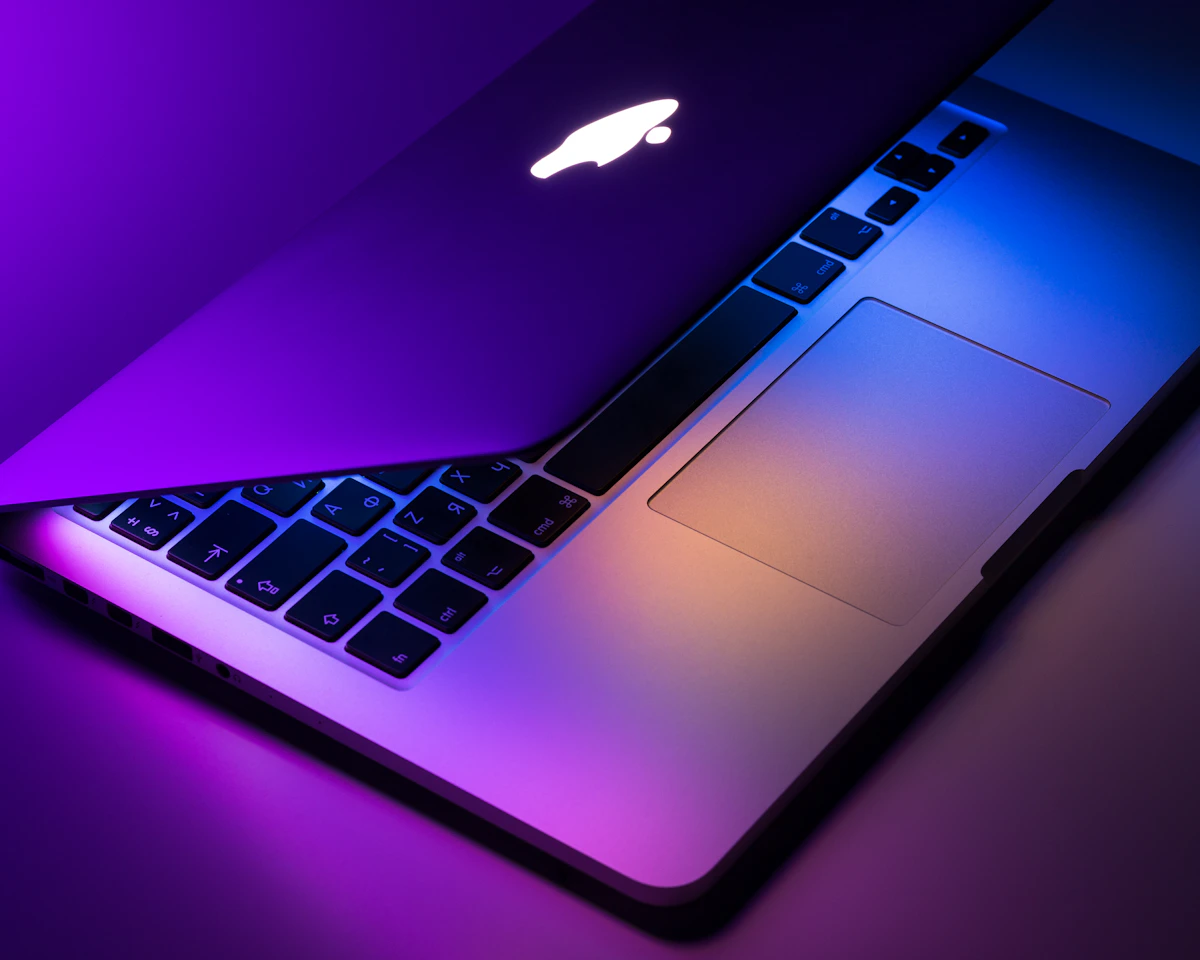
In May 2006, Apple introduced the MacBook — replacing the beloved iBook line and marking the company's transition to Intel processors. At $1,099 for the base model, it was Apple's most affordable laptop, featuring a 13.3-inch widescreen display, Intel Core Duo processor, and the new MagSafe power connector that saved countless laptops from being yanked off tables.
The MacBook arrived during a golden era for Apple. The iPod had already made the company a cultural force, and the MacBook brought the same design sensibility to laptops. Its polycarbonate white shell (and later, the iconic aluminum unibody) became a fixture in college campuses and coffee shops worldwide.
The MacBook line went on to become one of the best-selling laptop brands in history. By 2020, when Apple transitioned to its own M1 silicon chips, the MacBook had evolved from a competent consumer laptop into a professional powerhouse that redefined what portable computing could achieve.
In May 2006, gold was trading around $675 per ounce. Your $1,099 would have secured roughly 1.63 ounces of gold. While that original MacBook is long obsolete — its Core Duo processor no match for even a modern smartwatch — those ounces of gold have been steadily accumulating value.
The MacBook changed how millions of people create, from students writing papers to developers building apps to designers crafting visual masterpieces. Its value was in the work it enabled. Gold, by contrast, just sits there — beautifully, patiently, profitably.