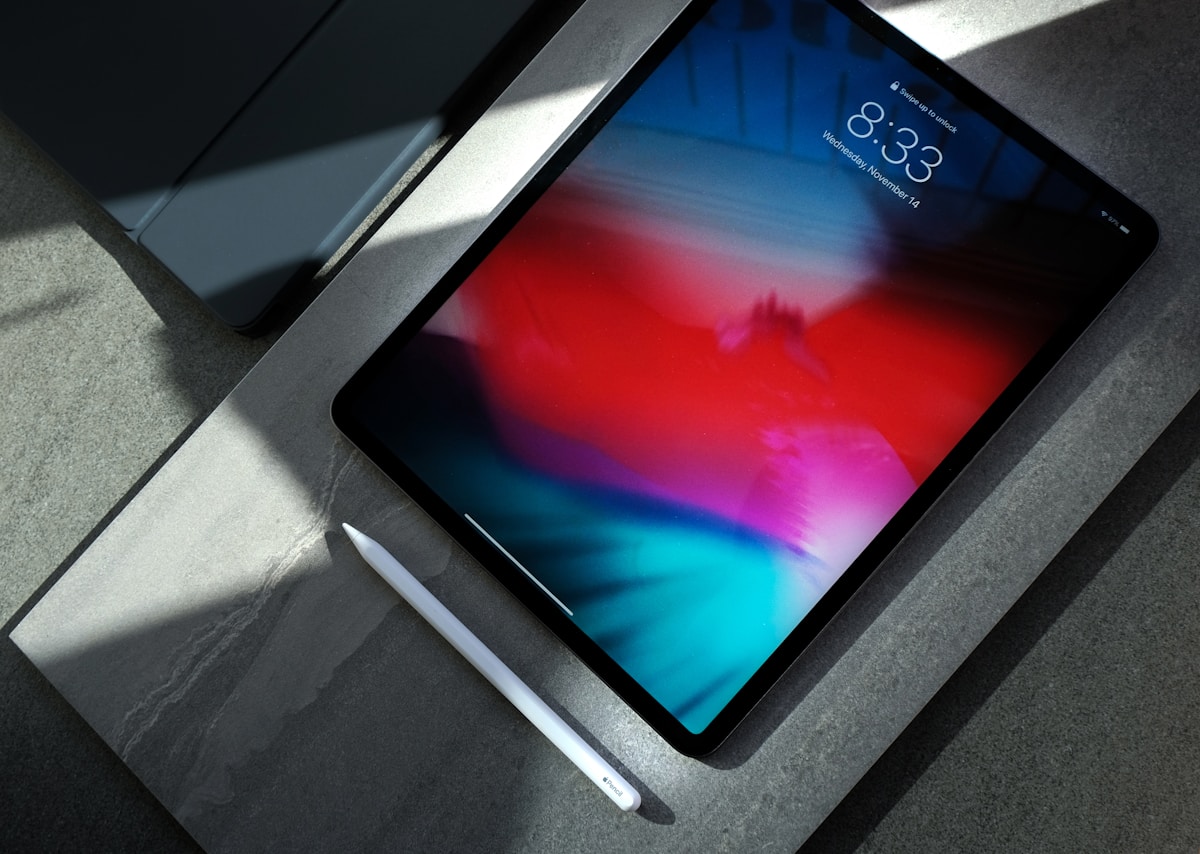
When Steve Jobs sat down on a leather couch on stage and casually browsed the web on a large touchscreen device in January 2010, the tech world was divided. "It's just a big iPhone," critics scoffed. "Where's the camera? The USB port? The multitasking?" At $499 for the base 16GB Wi-Fi model, many wondered who would buy it.
The answer: everyone. Apple sold 300,000 iPads on launch day, April 3, 2010. Within 80 days, three million had been sold. The iPad didn't just succeed — it created an entirely new product category that every tech company rushed to copy.
The iPad found its way into hospitals for patient charts, cockpits for flight manuals, schools for interactive learning, and restaurants for menus. Artists discovered it was the perfect digital canvas. Musicians used it as an instrument. It became what Jobs always wanted computers to be: invisible technology that just works.
In April 2010, gold was trading around $1,135 per ounce. Your $499 would have purchased approximately 0.44 ounces of gold. The iPad market eventually matured and sales plateaued, but the device remains one of Apple's core product lines, and the tablet category it created continues to evolve.
That original iPad, with its chunky bezel and 256MB of RAM, now feels like an artifact from another era. Your 0.44 ounces of gold, however, would still be as relevant today as the day you bought it — and considerably more valuable.