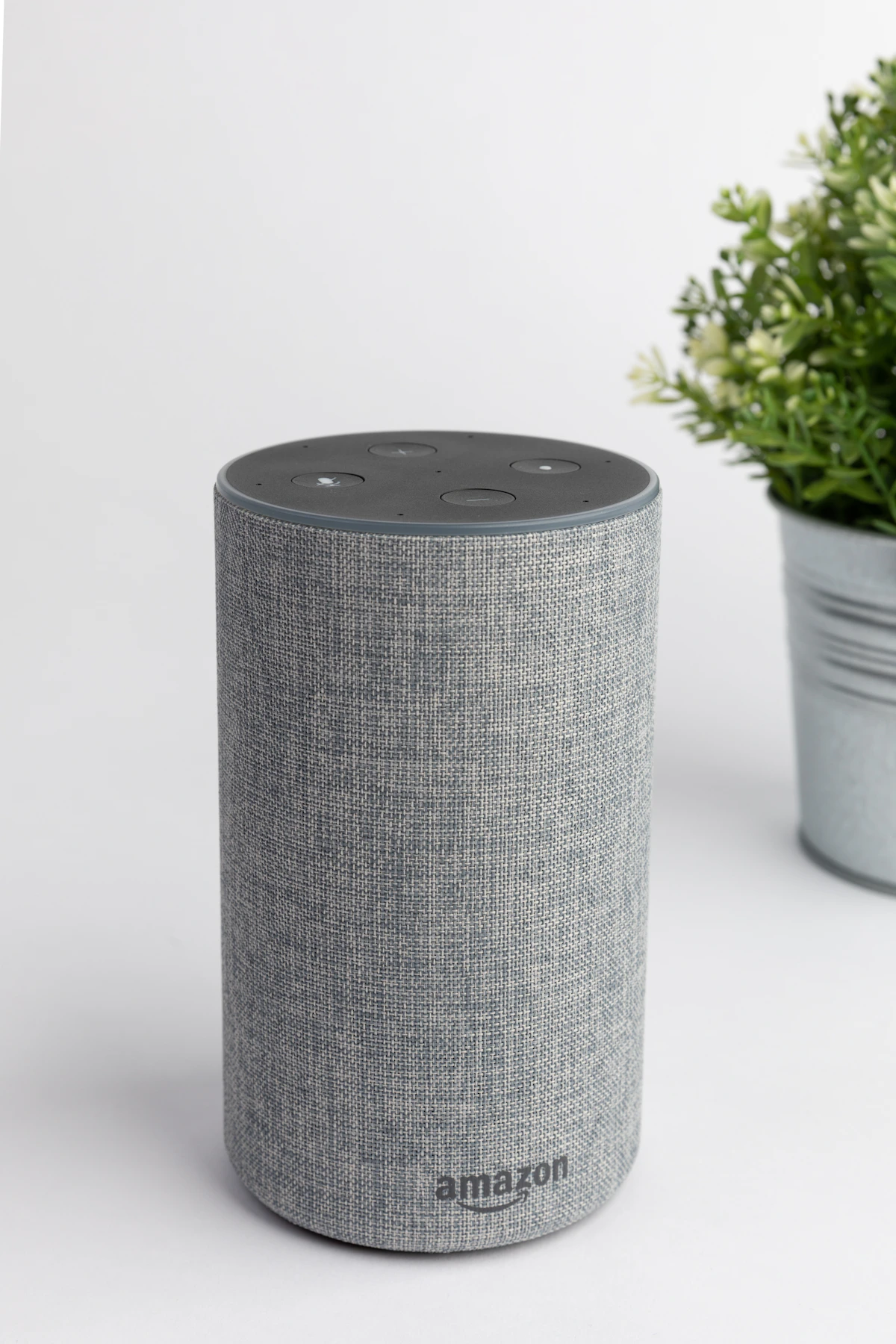
"Alexa, what's the weather?" This simple question, spoken to a black cylinder sitting on a kitchen counter, marked the beginning of the voice assistant era in our homes. When Amazon quietly launched the Echo in November 2014 — initially available only by invitation for $179 — few realized it would spark a revolution in how humans interact with technology.
The Echo wasn't Amazon's first hardware product, but it was arguably its most important. Alexa, the AI assistant living inside, could play music, set timers, answer questions, and control smart home devices. It felt like science fiction had arrived — casually, affordably, and without fanfare.
Within a few years, voice assistants were everywhere. Google launched its competing Home speaker, Apple released the HomePod, and Alexa gained tens of thousands of "skills." Smart speakers became one of the fastest-adopted consumer technologies in history, with over 200 million Alexa-enabled devices sold by 2020.
In November 2014, gold was trading around $1,169 per ounce. Your $179 would have purchased about 0.15 ounces of gold — a small amount, but one that has grown steadily while that original Echo has likely been replaced by newer models multiple times over.
The Echo proved that ambient computing — technology that surrounds you rather than demanding your attention — was the next frontier. Amazon bet that the best interface was no interface at all, just your voice. Gold requires even less: no interface, no updates, no skills to install. It just endures.